I’ve been playing with AI a little more lately, and out of curiosity I asked the AI I subscribe to to write a blog post about “adult consensual spanking”. For those of you who may be less than familiar with it in real life (in other words, people who read about it but don’t actually do it), I’m going to share the article with you that AI wrote. I did not write this article, but I did review it to make sure there were no hallucinations.
- Addressing Common Myths and Misconceptions
When it comes to adult consensual spanking, there are many myths and misconceptions that can cloud understanding and create unnecessary stigma. One of the most common myths is that spanking is inherently abusive or non-consensual. In reality, consensual spanking is based on clear communication, trust, and mutual agreement between all parties involved. It’s a form of expression and intimacy that, when practiced safely and respectfully, can enhance relationships rather than harm them.
Another misconception is that spanking is only about punishment or pain. While some individuals may enjoy the sensation of impact play, for many, it’s about connection, exploration, and even pleasure. The emotional and psychological dynamics often play a significant role, with spanking serving as a tool for trust-building, vulnerability, and heightened intimacy.
There’s also a stereotype that those who engage in consensual spanking have underlying psychological issues or unhealthy desires. On the contrary, many participants are well-adjusted adults who simply find joy, fulfillment, or stress relief through this consensual activity. Like any consensual adult practice, it’s diverse and personalized, reflecting the unique preferences and boundaries of those involved.
By addressing these myths openly and honestly, we can foster a more informed and accepting perspective on adult consensual spanking, encouraging safe, consensual, and respectful experiences without judgment.
- Integrating Consensual Spanking into Relationships
Integrating consensual spanking into relationships can be a rewarding way to explore trust, communication, and intimacy between partners. The key to successfully incorporating this practice lies in open and honest dialogue. Before introducing spanking, partners should discuss their boundaries, desires, and any concerns to ensure that both feel comfortable and respected. Establishing clear consent and safe words is essential to create a safe environment where both parties can fully enjoy the experience without fear or hesitation.
Beyond the physical aspect, consensual spanking can deepen emotional connection by fostering vulnerability and mutual understanding. It allows couples to express power dynamics in a controlled, playful manner, which can enhance excitement and novelty in the relationship. Additionally, many find that this form of sensation play can release endorphins, contributing to feelings of pleasure and stress relief.
For those new to consensual spanking, starting slowly and experimenting with different techniques, intensities, and tools can help partners discover what works best for them. Remember, the goal is to enrich the relationship and have fun together, so patience and ongoing communication are vital throughout the journey. When approached mindfully, consensual spanking can become a meaningful and enjoyable part of a couple’s intimate life.
- Resources for Learning and Support
When exploring the dynamics and benefits of adult consensual spanking, having access to reliable resources and supportive communities can make a significant difference in your journey. Whether you are new to the practice or looking to deepen your understanding, numerous books, websites, workshops, and online forums offer valuable insights and guidance.
Books such as “The New Topping Book” and “The New Bottoming Book” by Dossie Easton and Janet Hardy provide foundational knowledge on power exchange and consensual play, including spanking. Websites like FetLife serve as social hubs where you can connect with like-minded individuals, join discussion groups, and find local events or workshops tailored to your interests.
For those seeking a more structured learning environment, many cities offer BDSM and kink-friendly workshops led by experienced educators, which often cover topics like communication, consent, safety, and techniques specific to spanking. Online courses and webinars are also increasingly available, making it easier to learn at your own pace from the comfort of your home.
Additionally, counseling and support groups focused on sexual health and kink-positive practices can help address any emotional or psychological questions that arise. Remember, continuous education and open communication with your partner(s) are key to ensuring that consensual spanking remains a positive and enriching experience for everyone involved.
Parts 13-15 coming tomorrow!
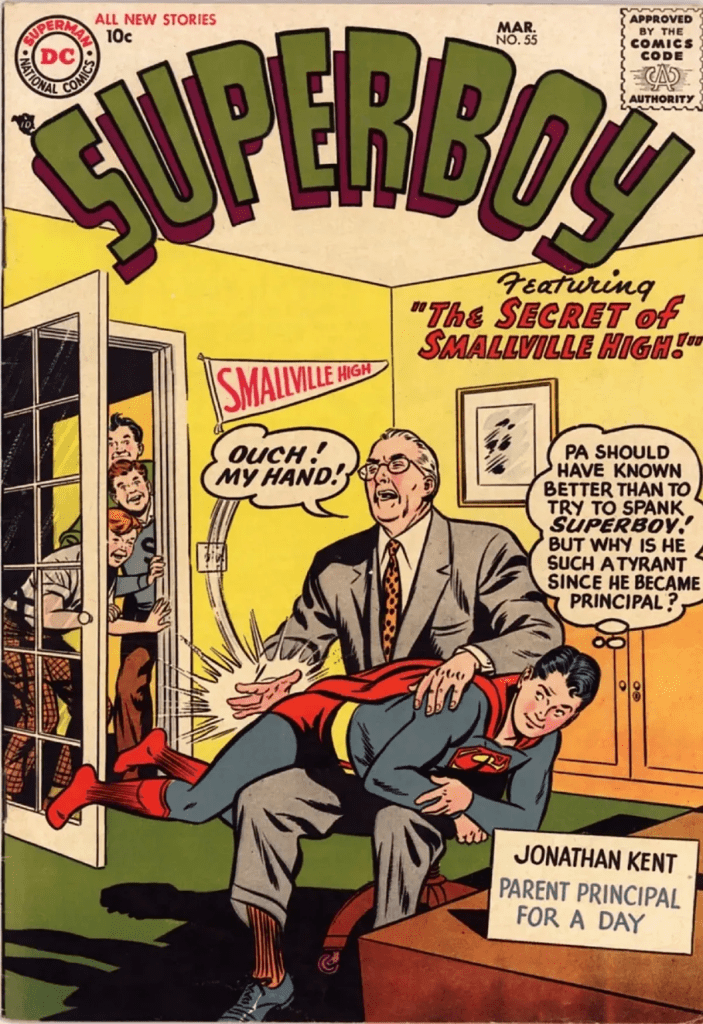
If you’re an invulnerable superhero who likes spanking, what do you do? I have a story called “Professor Pain vs. the Unstoppable Force” that examines this.
 JJ Rose, Author
One thought on “Adult Consensual Spanking: An Introduction (Part 4 of 5)”